Designing authentic events in the age of AI

As AI increasingly automates content and experience design, the value of what machines can’t reproduce—emotion, empathy, and unscripted human connection—rises. Great events in this era use AI to remove friction and scale personalization, while deliberately centering the messy, unpredictable moments that create lasting relationships. Below is a practical framework to design events that feel real in a world of polished sameness.
Lead with a Curatorial Mindset

Shift from creator to curator. Use generative AI to brainstorm themes, draft copy, and prototype formats quickly—but keep humans in the selection seat. Curators translate context, brand intent, and cultural nuance in ways AI can’t.
Process: run rapid AI ideation sprints (10–20 concepts), then convene a small human panel to vet for brand fit, emotional resonance, and inclusivity.
Design “un-automatable” moments: live empathy ateliers, micro-workshops that require intuition, open-mic vulnerability hours, or unscripted serendipity zones where facilitators seed conversation but don’t control it.
Make AI Invisible—Use It to Free Up Human Time
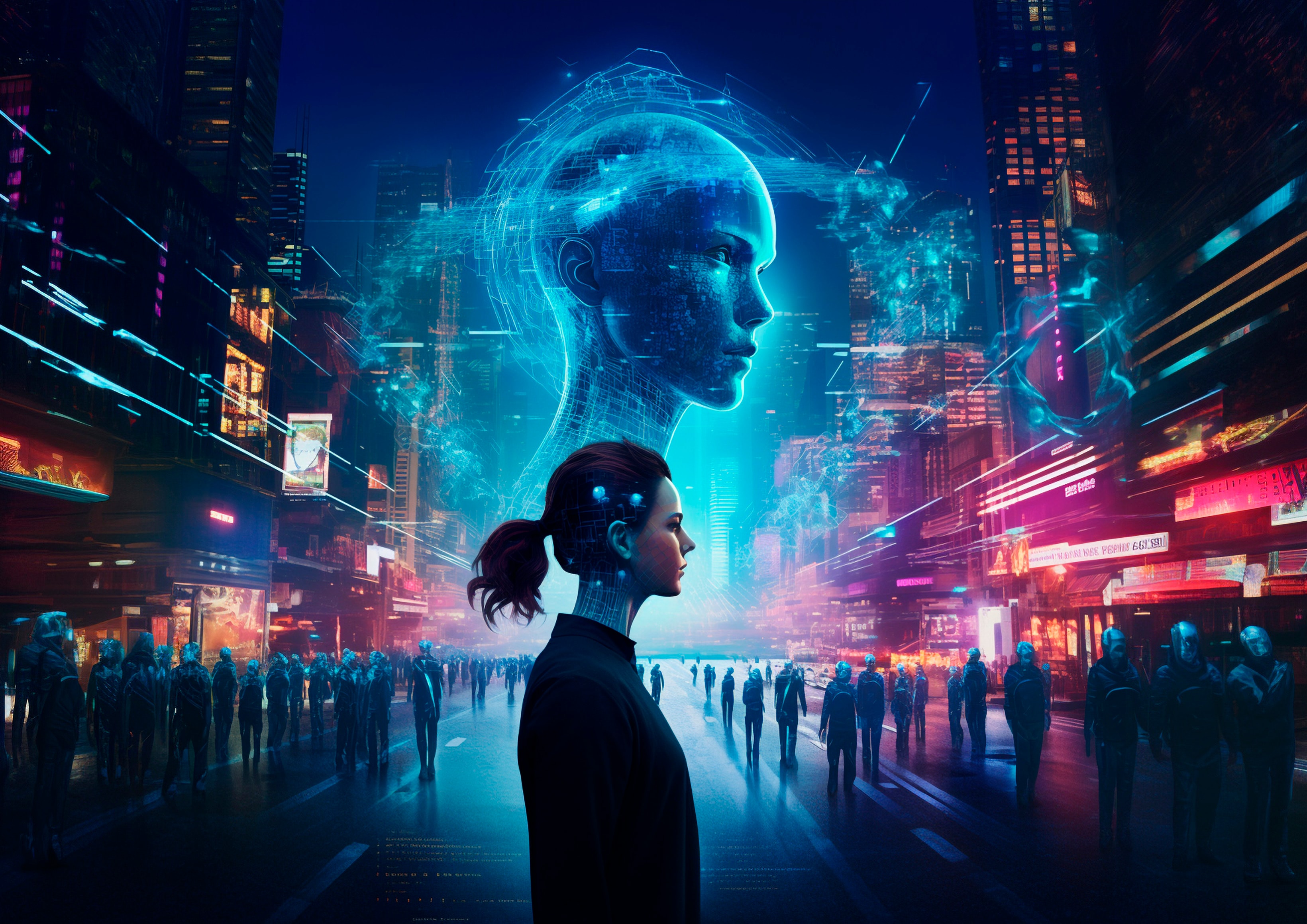
Put AI in the background to reduce friction, not to replace human touch.
Personalization at scale: analyze attendee signals (pre-event surveys, interaction history, stated interests) to propose tailored agendas and networking matches, then let humans finalize the pairings or introductions.
Automate logistics: chatbots and scheduling assistants handle routine questions, check-ins, and reminders. Reserve human staff for escalations and emotionally rich interactions.
Example flow: AI suggests 6 potential session tracks for an attendee; a human concierge curates the final day-of schedule and makes two in-person intro meetings.
Celebrate Imperfection and Prioritize In-Person Trust-Building

Design for serendipity. Authenticity lives in unpolished moments—laughter, spontaneous debates, gestures of vulnerability.
Prioritize in-person where it matters: hands-on demos, cohort workshops, rituals that require physical presence (shared meals, maker sessions, joint performances).
Let imperfection be intentional: shorter rehearsals, fewer scripted Q&As, and moderators trained to embrace and amplify off-script energy.
Authentic Content
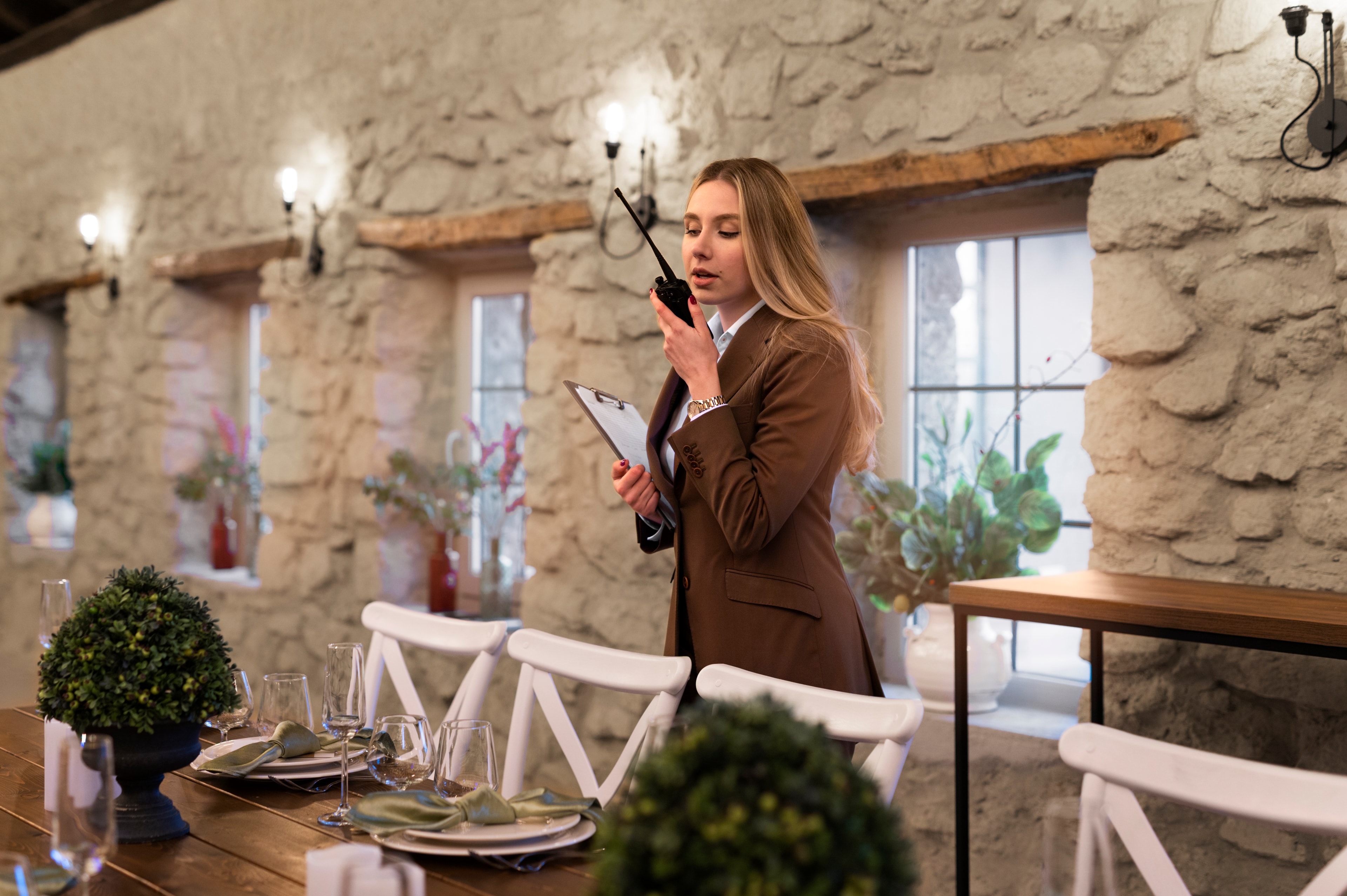
Center first-person stories: feature attendee, speaker, and team narratives—short, emotionally honest moments that reveal trade-offs and context.
Use user-generated content (UGC) as primary fuel: encourage micro-stories (video vox pops, voice notes, candid photos) and elevate those raw artifacts with light human editing.
Sensory specificity beats polish: highlight sights, smells, textures, timing, and small failures; those details signal reality in ways polished AI output cannot.
Human-edit, AI-augment: allow AI to draft variations, but require a human pass to check voice, truth, and emotional fit. Clearly label AI-assisted content.
Verify and cite: employ human fact-checkers for high-stakes claims; include sourcing or provenance notes where appropriate.
Maintain a voice vault: keep an evolving corpus of speaker quotes, founder notes, and brand language to train tools so AI output stays unmistakably you.
Practical metric: aim for at least 50% of published event stories to be first-person or attendee-sourced, and require one human-authored paragraph or edit on every AI-assisted piece.
Practice Radical Transparency
Disclose AI usage openly. If you deploy avatars, AI-generated content, or recommendation engines, tell attendees how and why they’re used and where human oversight exists.
Build credibility protocols: fact-check high-stakes content, label AI-generated materials, and provide channels for attendees to flag inaccuracies or bias.
Use transparency as part of the experience: a “How This Event Was Built” micro-session showing which elements were human-driven vs AI-assisted deepens trust.
Adopt the 70/30 Rule: Mechanics vs. Magic
Allocate effort intentionally: 70% of routine tasks to AI/automation (logistics, initial personalization, data processing); 30% to human-led, high-emotion work (facilitation, relationship-building, storytelling).
Staffing model: fewer people on repetitive tasks (automated check-in, bots), more skilled humans in roles that require empathy—concierges, community hosts, conflict mediators.
Operational Recommendations (Quick Wins)
Pre-event: use AI to generate candidate session topics; humans run thematic triage and design three “anchor” experiences that must stay analog.
Matchmaking: combine AI similarity-scoring with human-curated introductions—automated first pass, human-backed intros at the event.
Onsite: set aside “no-screen” rooms for deep conversation and two “experimental” rooms where improvisation is encouraged.
Content workflow: collect UGC during the event, have AI create draft edits, and require human editors to produce final, labeled stories within 48 hours.
Post-event: AI synthesizes transcripts and feedback into themes; humans produce the final narrative and follow-up offers.
Guardrails and Ethics

Bias check your personalization models; diverse humans should audit outputs regularly.
Respect privacy: disclose data use, permit opt-outs, and use consented datasets for personalization.
Attribution: when content or creative assets are AI-assisted, label them and credit human stewards.
Accessibility: ensure content and experiences are accessible—captioning, descriptive audio, and low-vision options.
Design Principles (for quick reference)
Curate, don’t automate: AI ideates; humans decide.
Make AI invisible: reduce friction so attendees can focus on people.
Create space for mess: design spontaneity into schedules.
Be transparently human: own how you use AI and why.
Allocate for magic: preserve human bandwidth for emotional labor and storytelling.
Contact us
Create events that fuse AI-driven efficiency with human-centered moments—prioritizing empathy, unscripted connection, and sensory-rich storytelling so your experiences feel real, memorable, and unmistakably yours.